
Understanding the psychological effects of gambling What you need to know
The allure of gambling
The psychological allure of gambling is a multifaceted phenomenon. For many, the thrill of potentially winning can trigger the release of dopamine, a neurotransmitter associated with pleasure and reward. This chemical response can create a powerful urge to continue playing, often leading individuals to return to gambling venues or platforms repeatedly, despite the risks involved. In this context, exploring online casinos has become increasingly popular, as individuals seek out new ways to experience that rush.
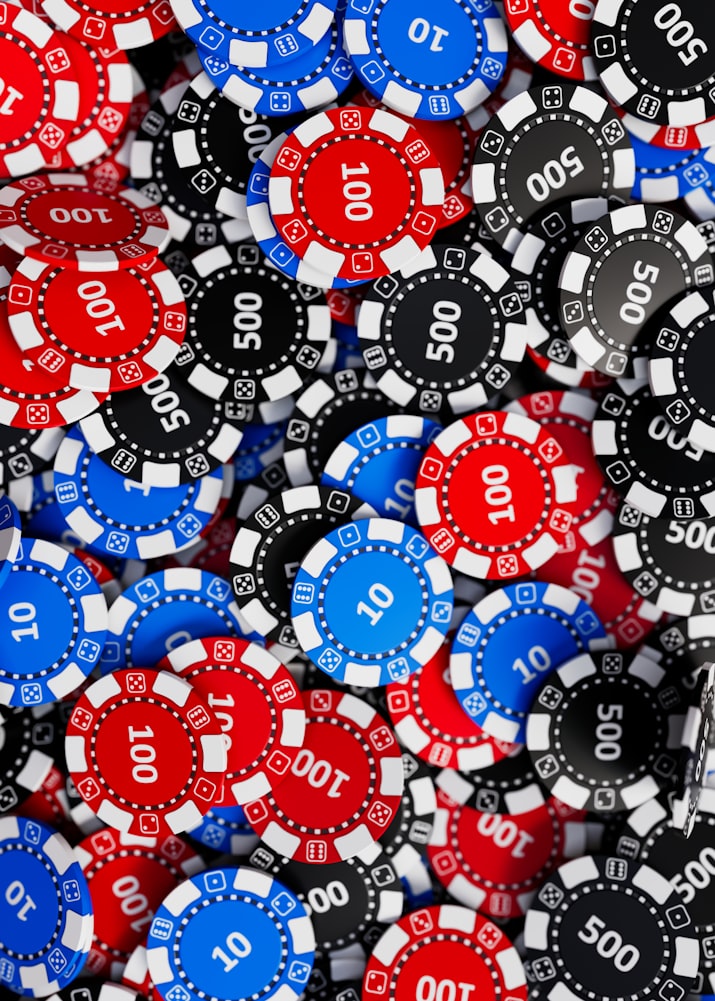
This excitement, often termed the “gambling rush,” can overshadow rational decision-making. As individuals chase the next high, they might overlook the reality of their losses, leading to a dangerous cycle of chasing losses and increasing stakes. This behavioral pattern can escalate into problematic gambling, where the line between entertainment and addiction becomes blurred.
Psychological impacts on gamblers
The psychological impacts of gambling can be profound and varied. While some individuals may experience temporary highs associated with wins, many face a range of negative effects over time. Increased anxiety, depression, and feelings of guilt are common among those who gamble excessively. These emotional states can create a vicious cycle, as gamblers often seek solace in more gambling as a coping mechanism.
Moreover, the stigma surrounding gambling addiction can exacerbate these feelings, leading individuals to isolate themselves from friends and family. This isolation can further intensify mental health issues, creating a feedback loop that is difficult to escape. Understanding these psychological consequences is essential in recognizing the signs of problem gambling and seeking help.
The role of luck versus skill
The debate surrounding luck versus skill in gambling is central to understanding its psychological effects. While many games of chance, like slot machines and roulette, are purely reliant on luck, others, such as poker and sports betting, incorporate elements of skill and strategy. This distinction can significantly influence a gambler’s perception of control and decision-making.
For those who believe their success is tied to skill, they may experience heightened confidence and an increased desire to gamble. On the other hand, individuals who perceive gambling as purely luck-driven might struggle with feelings of helplessness during losing streaks. This can lead to impulsive gambling behaviors as they seek to regain their losses, blurring the line between rational play and compulsive behavior.
The impact of social influences
Social influences play a significant role in shaping gambling behavior. From peer pressure to societal norms, the environment surrounding an individual can heavily impact their gambling decisions. Many people are introduced to gambling through social settings, where the thrill of collective excitement can lead to increased participation.
Furthermore, the normalization of gambling in various media forms can desensitize individuals to its potential risks. With advertisements promoting the glamorization of winning, many may overlook the inherent dangers of gambling, leading to increased participation without fully understanding the psychological ramifications. Recognizing these social influences is vital in addressing responsible gambling habits.

Conclusion and additional resources
Understanding the psychological effects of gambling is crucial for both players and their loved ones. By recognizing the emotional and mental challenges associated with gambling, individuals can be better equipped to make informed decisions. Awareness of the fine line between entertainment and addiction can foster a healthier relationship with gambling.
For more information and support regarding gambling-related issues, numerous resources are available to help individuals and families cope with the psychological impacts of gambling. Seeking professional guidance can pave the way toward recovery and a healthier mindset.
Recent Comments